Why should kids have all the fun? Sometimes I want to be a kid again. I see you nodding yes – your inner child wants to play too! And so, it came to pass that an opportunity to do just…
World Labyrinth Day is Today
Today, May 1, 2021, is World Labyrinth Day. The motto for the day is “Walk as one at one.” Wherever you are walk a labyrinth at 1 p.m. your time. Join people all around the world as footsteps journey in…
Pass-A-Grille Offers Beach Vibes & Memories
Pass-A-Grille Beach, part of St. Pete Beach in Florida, boasts the world’s shortest Main Street. Come shop till you drop in just two blocks. I saw it with my own eyes. Two blocks of chic shops and restaurants bordered by…
Birding is a Simple Pleasure Done Everywhere
Please welcome Lorrie Muldowney, this month’s guest blogger. When we go on walks she identifies the birds we see – and here in the March 2021 Saturday Morning Magazine blog she introduces you to her love of birding.Photographs of owl,…
Sanibel and Captiva Islands Have a Serene Side
Sanibel and Captiva islands. Ah, say those words with me again. Sanibel and Captiva islands. What images come to mind? Sun. Sand. Shells. Got it. The unwritten rules of travel writing require me to put sun, sand and shells high…
Looking for Labyrinths
By now a daily walk may be a regular part of your pandemic routine. If not then early morning before the heat kicks in is a good time to start. Walking gets you outside, provides a bit of cardiovascular exercise…
Use Feet or Fingers to walk a Labyrinth Today
Today, Saturday May 2, 2020 is World Labyrinth Day. All around this blue green orb we call Earth walkers are stepping onto an ancient path, observing social distancing or staying home and using a finger labyrinth – journeying by foot…
Look Forward to Visiting Demonstration Gardens
Demonstration gardens are inspiring places to visit – there are so many ways to garden in this vibrant, quirky place called Florida. The gates to public gardens are closed for now … but they will open again. Here is a…
DeLand Delivers Good Vibrations
Pop quiz: Name the first municipality in the state of Florida to become a Monarch City USA. Tick tock. Tick tock. Got it yet? Hint: Check out the photograph below. And the answer is DeLand, Florida. Yeah for DeLand! This…
Take a Walk in a Park Today
Saturday, March 30, 2019 is National Take a Walk in a Park day. Do your duty! I did mine a bit early at De Soto National Memorial Park in Bradenton – a small park on the south shore of the…
Gainesville Labyrinths Offer Quiet Time
Gainesville labyrinths are easy to miss. Seasons here are highlighted by games. Football takes the fall focus. Soccer, basketball and lacrosse play hard in winter months. Baseball blooms in springtime. Tennis courts reverb with the sound of balls being whacked…
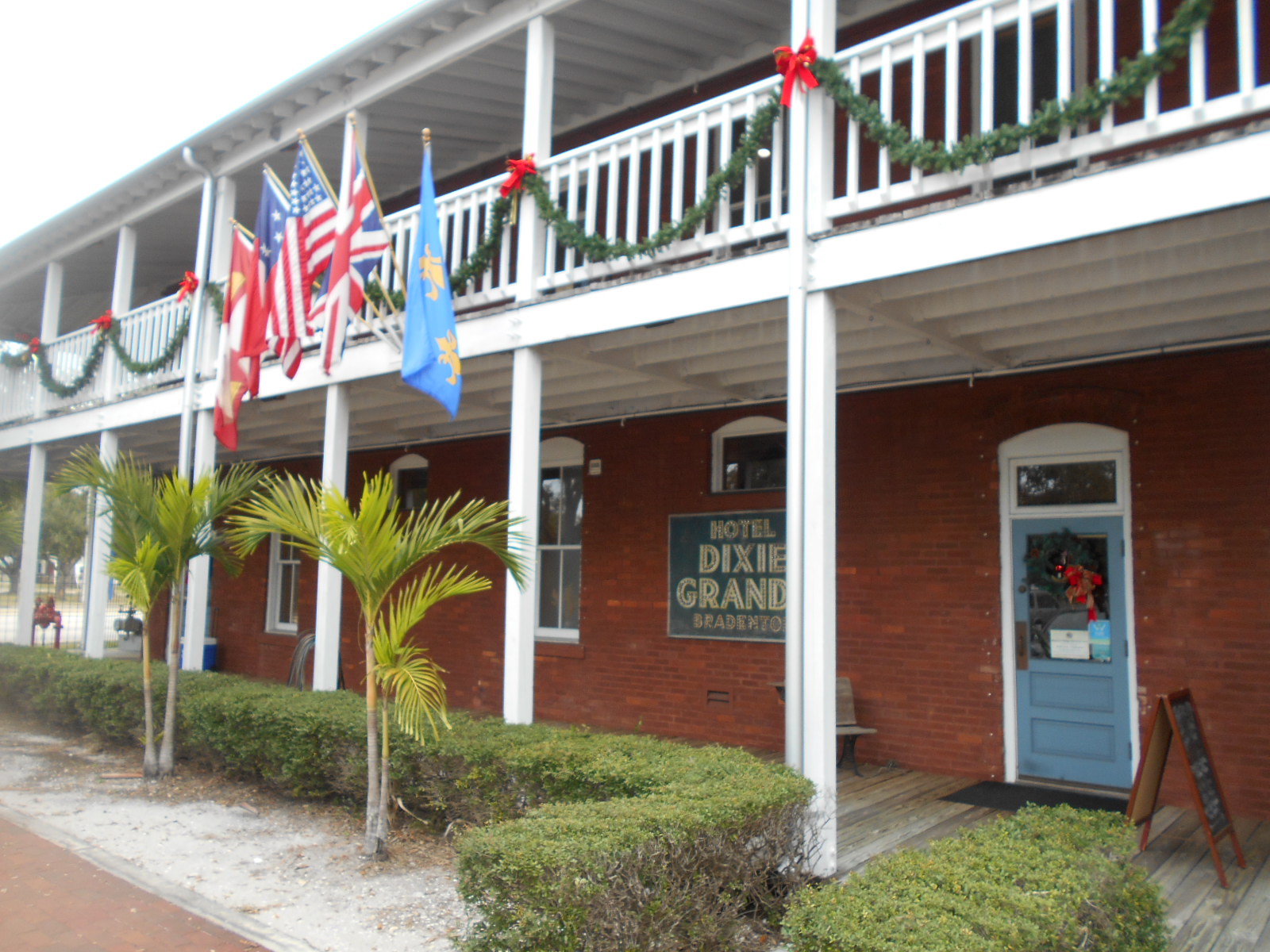
Bradenton Brims with History, Fun and Food
Bradenton brims with history, fun, food – a family friendly place, easy to navigate and enjoy
Sarasota Celery Fields Attracts Butterflies
At the Celery Fields Marc Minno stands in the grass behind the Sarasota Audubon Nature Center. He speaks in a casual, low-keyed voice belieing the fact that Minno, a Live Oak resident, is one of Florida’s top butterfly gardening…
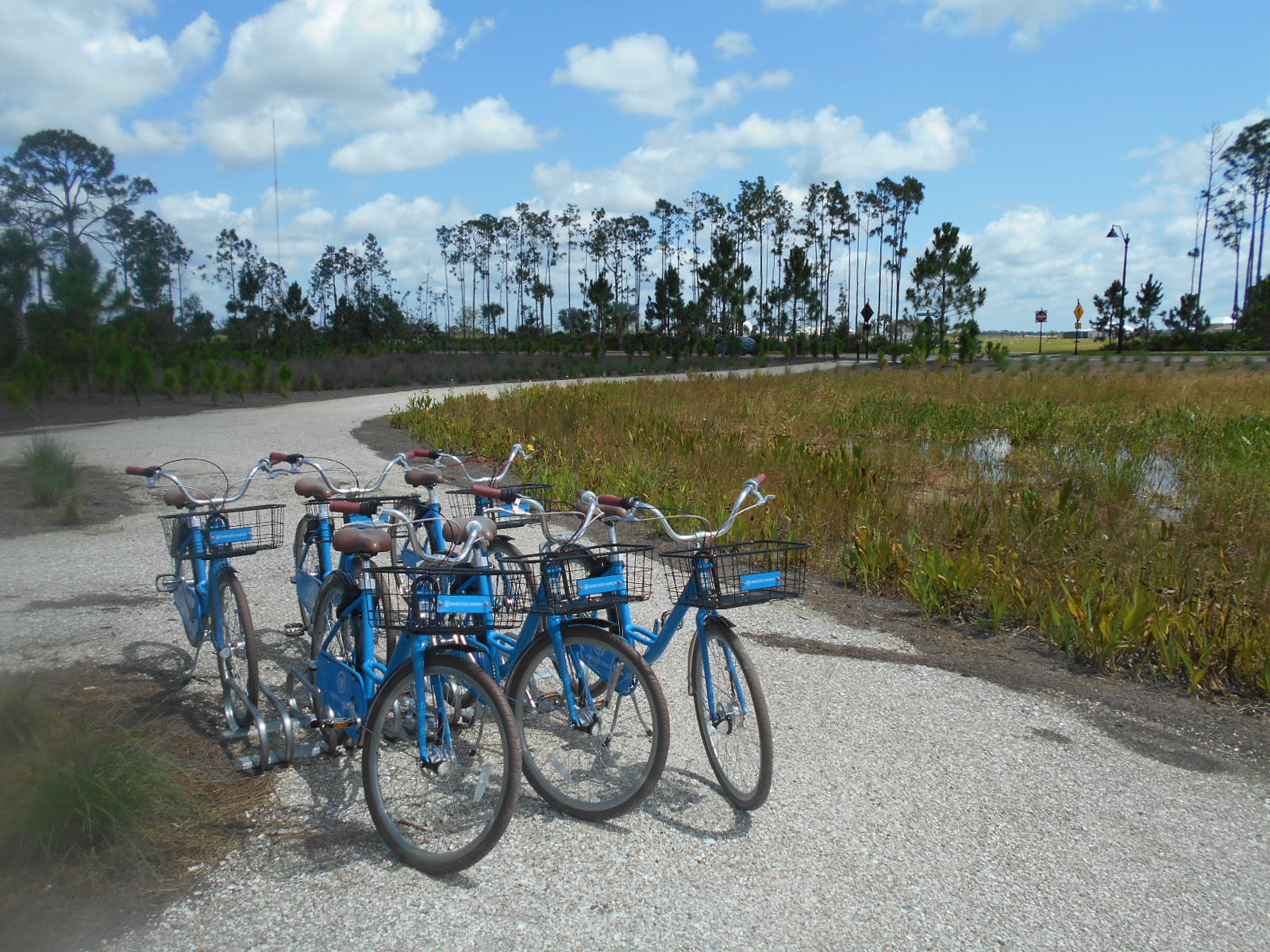
Babcock Ranch is Powered by the Sun
While growing up, my passions ebbed and flowed – in second grade, horses galloped across my landscape always with me riding out front. By fourth grade being a ballerina took center stage. Did you dream dreams as a kid of…
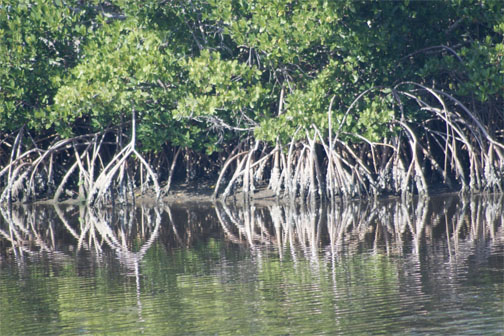
Walk or Paddle into Florida Mangroves
Mangroves. It is the Wild West out there in the roots. The blue crab raised both claws up in the air ready for a fight with me. I stood back at a respectful distance and zoomed in with my Nikon…
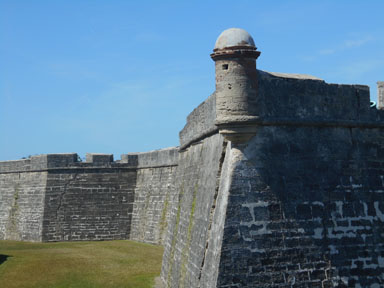
St. Augustine Walks & Talks History Daily
After a long hard day of tacking into the wind, where do sailors go? Often they navigate to the nearest wine bar. So too in St. Augustine after a hard day of enduring long lines for visiting the Castillo de…
Andy Warhol Inspires Selby Gardens
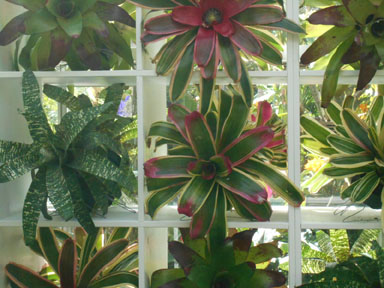
Andy Warhol. Just saying his name conjures up pop art images like Campbell’s Soup Cans and the Marilyn Diptych with Marilyn flashing her famous come hither smile. But did you know the Pope of Pop had a love affair with…
Visit Tallahassee Florida’s Capitol City
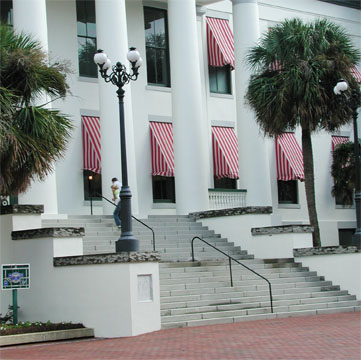
Visit Tallahassee, Florida where the past, present and future merge together. A little known slice of history: state officials took turns traveling between two cities, every other year, in the early 1820’s. Travel then was not fun or fast. In…
Labyrinths are Mindful Walks in Florida
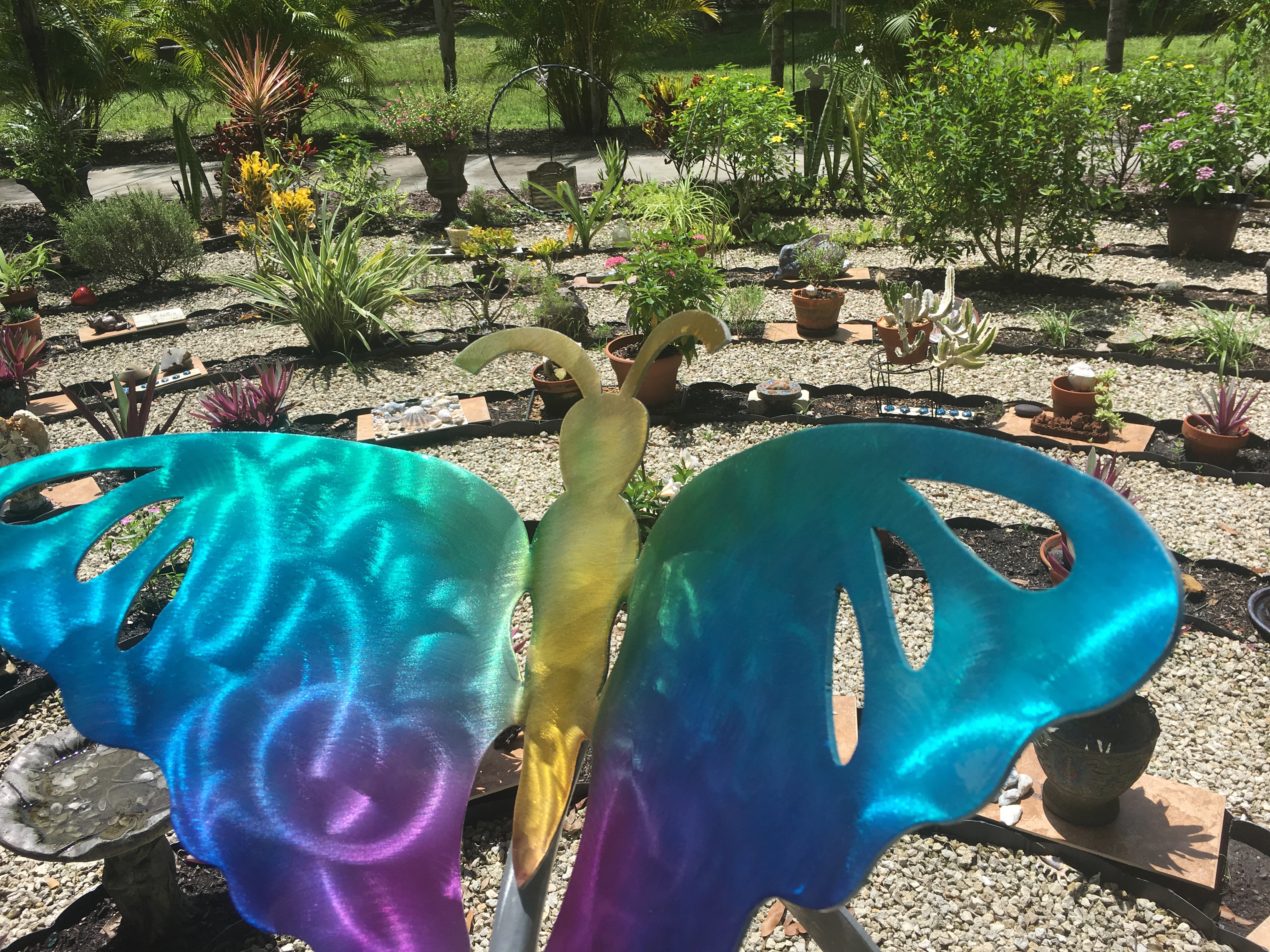
Update 1/27/2019 Lucy Tobias’ book Circle the Center Labyrinths in Florida is now available. Get your copy at this link: https://gumroad.com/l/CircleTheCenter Labyrinths. What a nice surprise to find them in Florida. Egan’s Creek Park, for example, has been transformed with…
A Taste of Cuba in Historic Ybor City
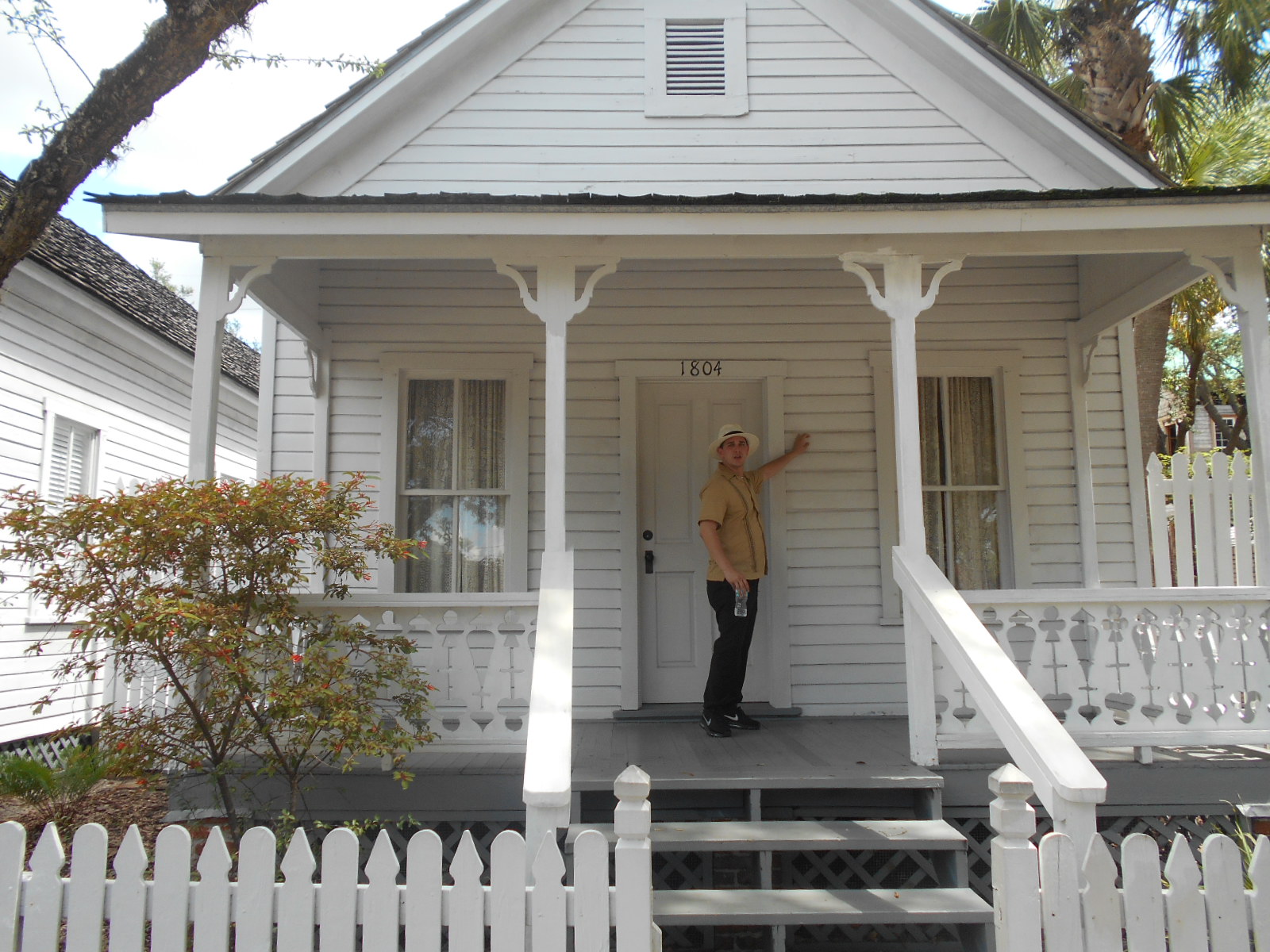
“History is a fragile thing,” says Max Herman, our guide with Ybor City Historic Walking Tours – a family-owned business started by his dad Lonnie Herman. Take Ybor City as an example – a place that came to be because…
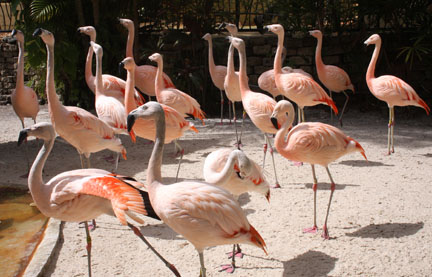
Sunken Gardens Grows Lush and Exotic
Two words perfectly describe Sunken Gardens in St. Petersburg – lush and exotic. What, you say, is it still there? Oh yes, Sunken Gardens, an old Florida family roadside attraction, is still alive and thriving right in the middle of…
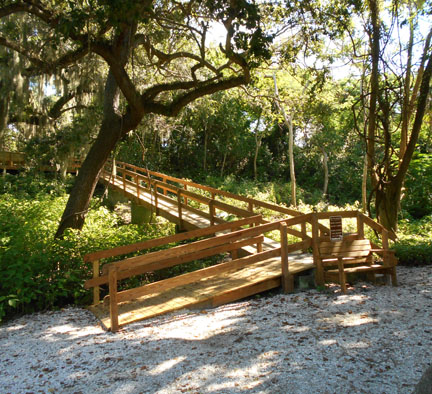
Emerson Point Preserve & Waterfront Doings in Palmetto
All that walking at Emerson Point Preserve worked up an appetite for lunch and I found myself at the Riverside Café, watching cloud shows and devouring the Dieters Delight. “How do you like it?” the waitress asked. This is my…
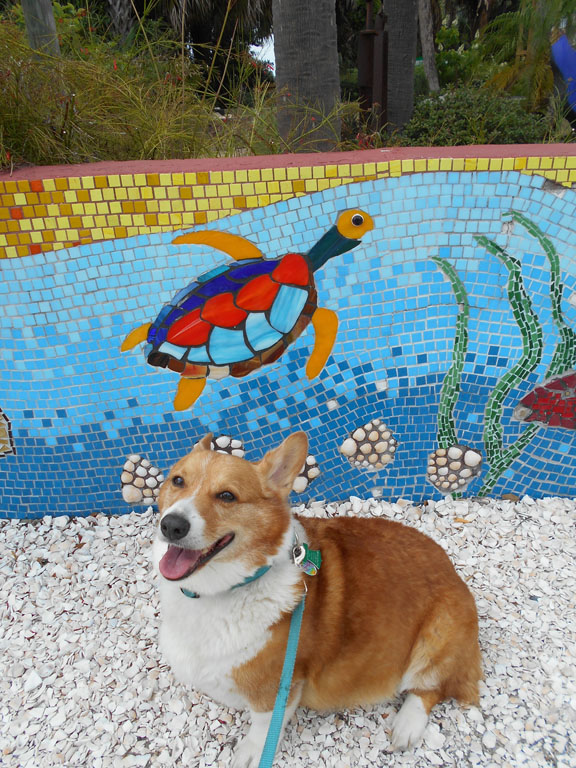
Old Cedar Key Walking Tour and More Adventures
The Old Cedar Key walking tour is on my list of things to do but first we need to check in. At the Faraway Inn their Office sign is turned to Open. Obi and I step inside. The manager looks…
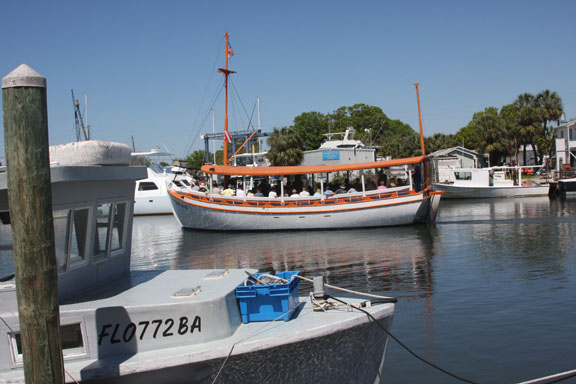
Go Greek for a day (or two) in Tarpon Springs
“Once a week, go Greek.” Look for this motto on shirts worn by the wait staff at Mr. Souvlaki’s restaurant on Pinellas Avenue in Tarpon Springs. Be quick to take a peek because the waiters are moving pretty fast, threading…
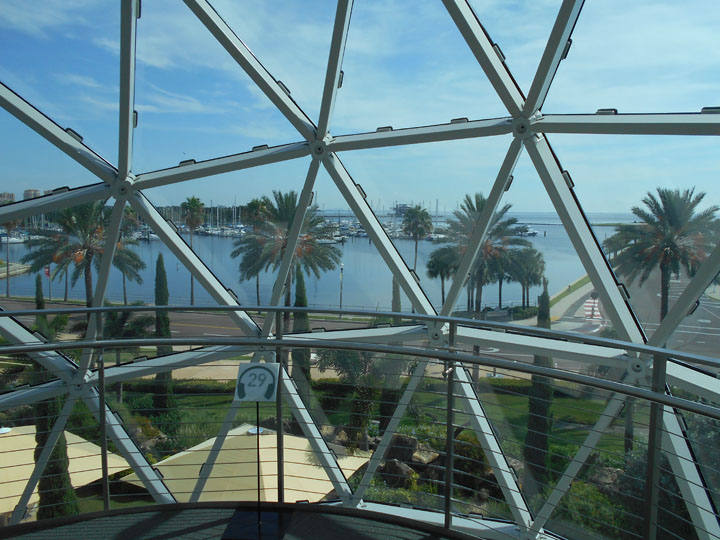
Discover Downtown St. Petersburg
St. Petersburg, Florida has 360 days a year of sunshine AND cars stop to let you go across the crosswalk. What’s not to like? My friend Barbara Trow, a recent transplant to St. Petersburg, laughs as she reels off those…